Boost Crop Yield With Water Soluble Magnesium

Other Videos
December 26, 2025
Category Connection: Fruit Tree Fertilizer
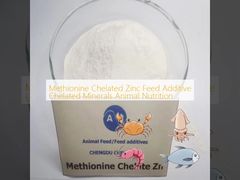
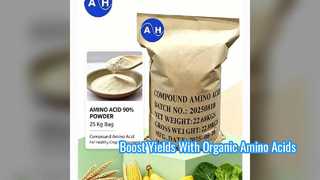
Brief: This video frames the solution within typical operational contexts for clearer understanding. Watch as we demonstrate how our 100% water soluble, plant-based magnesium chelate fertilizer addresses magnesium deficiency in crops like grapes, oranges, and bananas. You'll see a practical walkthrough of its application methods, including foliar spraying and drip irrigation, to boost photosynthesis, enhance fruit quality, and increase overall yield.
Related Product Features:
  • 100% water soluble magnesium chelated with amino acids for rapid plant absorption.
  • Promotes photosynthesis and accelerates plant growth for higher crop yields.
  • Activates enzymes to enhance sugar, fat, and protein synthesis in plants.
  • Improves oil content in oil crops and overall quality of agricultural products.
  • Compatible with pesticides and suitable for foliar, drip, or base fertilization.
  • Effective on a wide range of crops including fruits, vegetables, and grains.
  • Light yellow powder with low moisture and heavy metal content for safe use.
  • Easy to store in sealed, dry conditions with flexible packaging options.
FAQs:
  • What crops can benefit from this magnesium fertilizer?
    This fertilizer is suitable for legumes, grain crops, root crops, cucurbits, cole crops, leafy vegetables, ornamentals, deciduous fruits, vine crops, and tropical/subtropical fruits.
  • How is this magnesium fertilizer applied?
    It can be applied as a foliar spray at 2-3 kg/acre with 600-800x dilution, via drip irrigation at 2.5-3.5 kg/acre with 200-300x dilution, or as a base fertilizer at 4-6 kg/acre.
  • What are the key benefits of using chelated magnesium?
    Chelated magnesium enhances photosynthesis, promotes enzyme activation for better metabolism, improves fruit maturity and oil content, and aids in phosphorus absorption for increased crop production.
  • Can this fertilizer be mixed with pesticides?
    Yes, it can be mixed with pesticides, which enhances the function of both products for more effective crop management.